Types
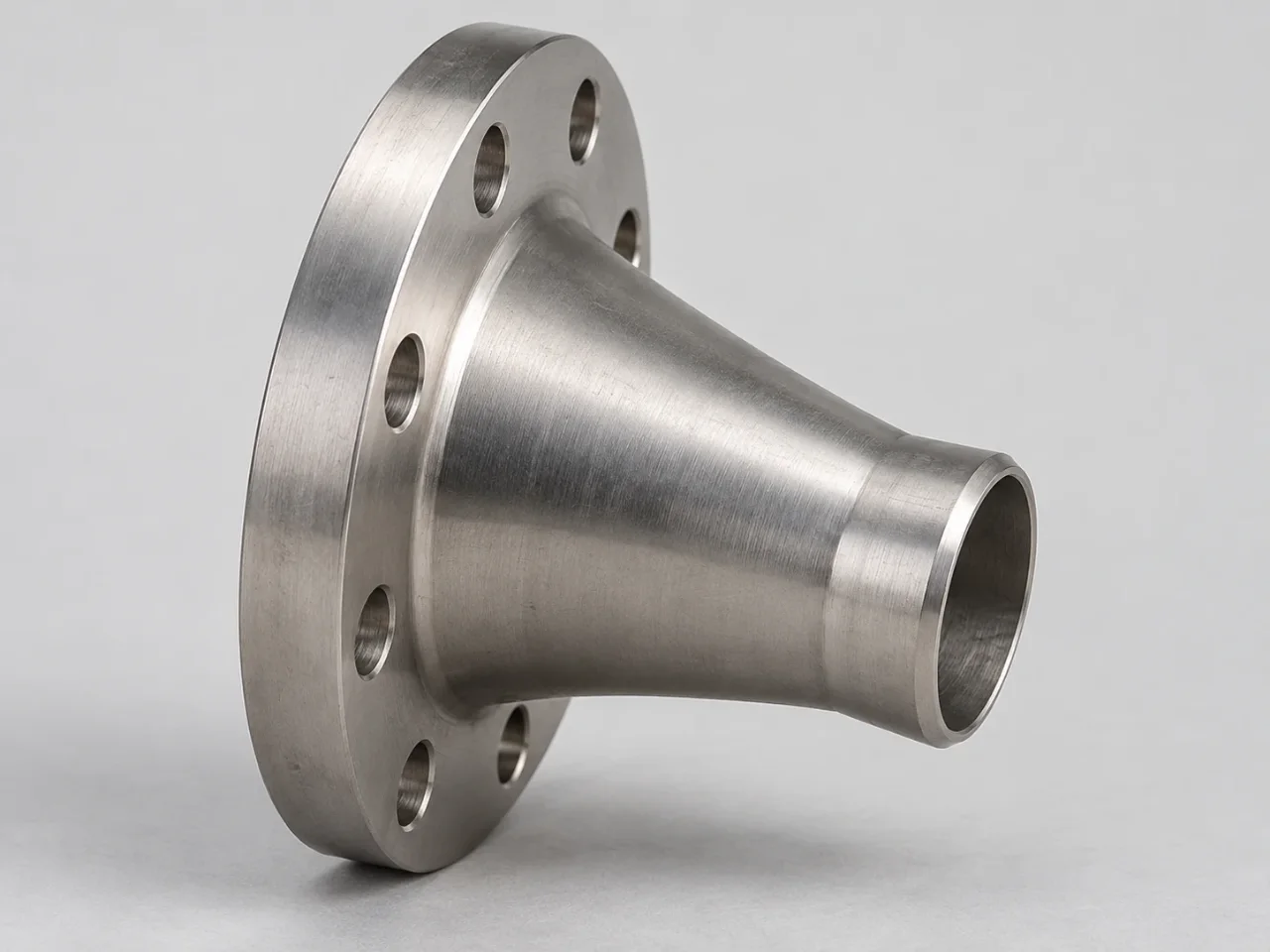
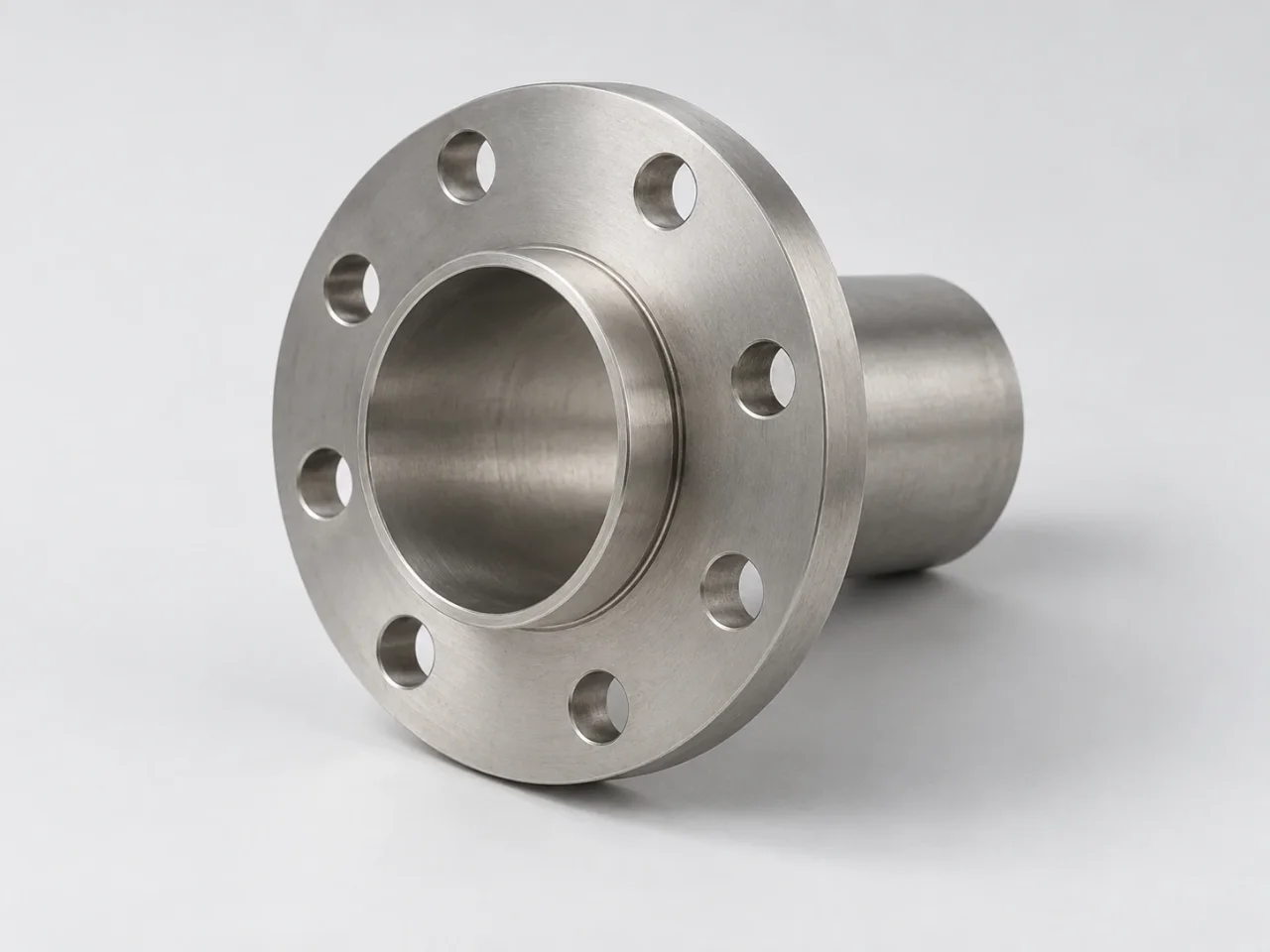
Weld neck (WN)
A long tapered hub butt-welded to the pipe; for high temperature, high pressure and cyclic loads.
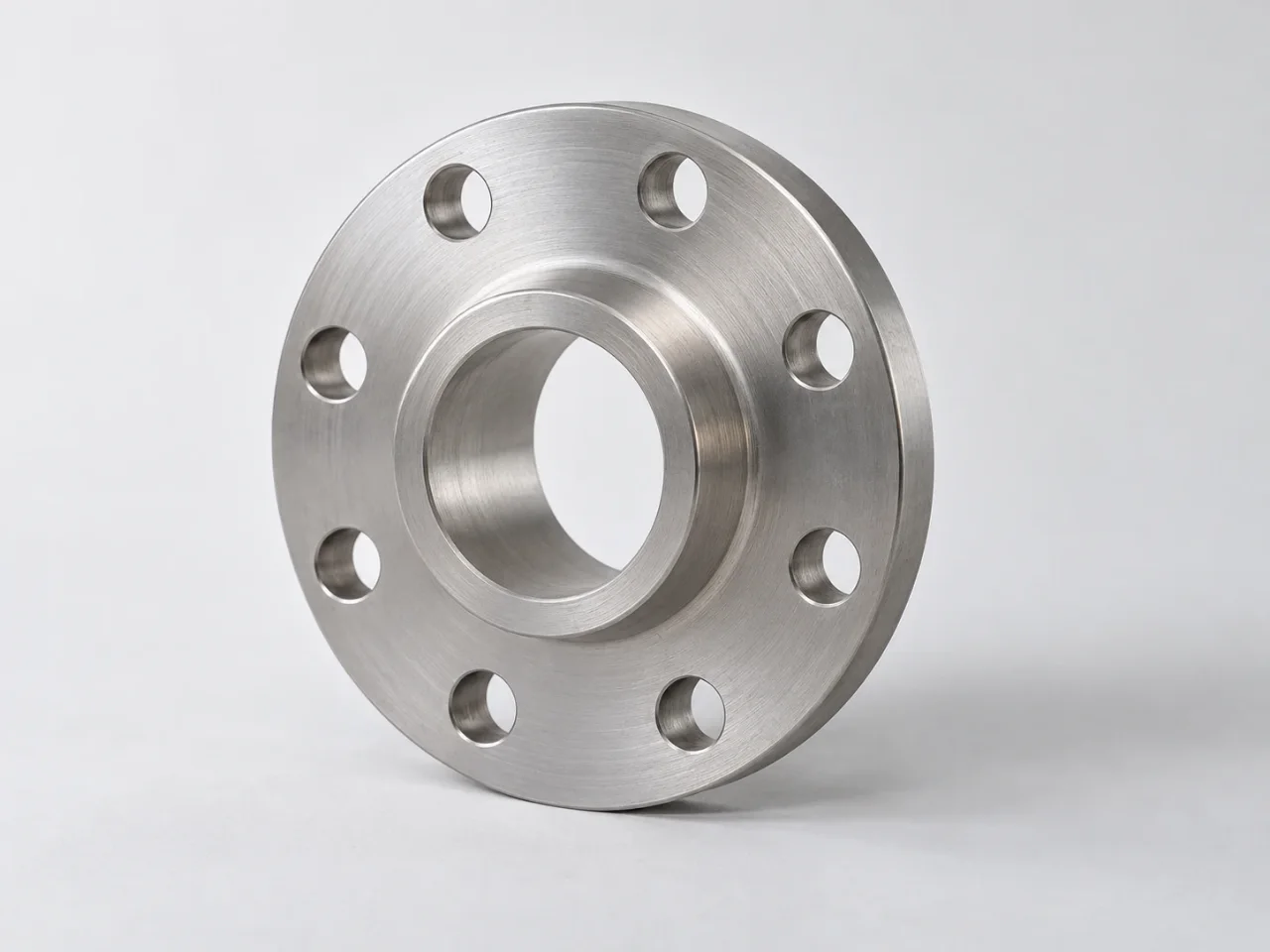
Slip-on (SO)
Slips over the pipe and is fillet-welded; easy to align, for moderate pressure.
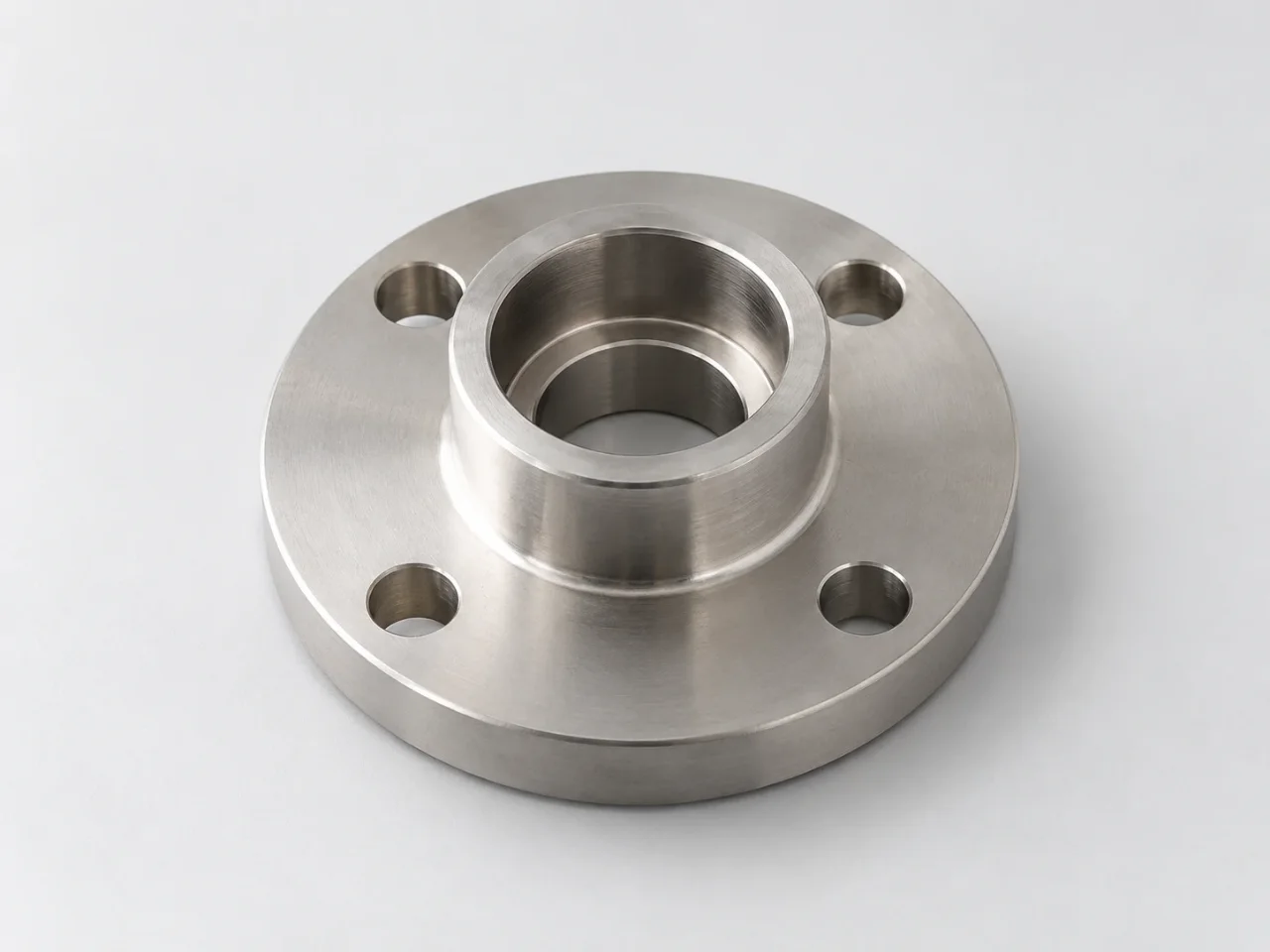
Socket weld (SW)
The pipe is inserted into a socket and fillet-welded; for small-bore, high-pressure lines.
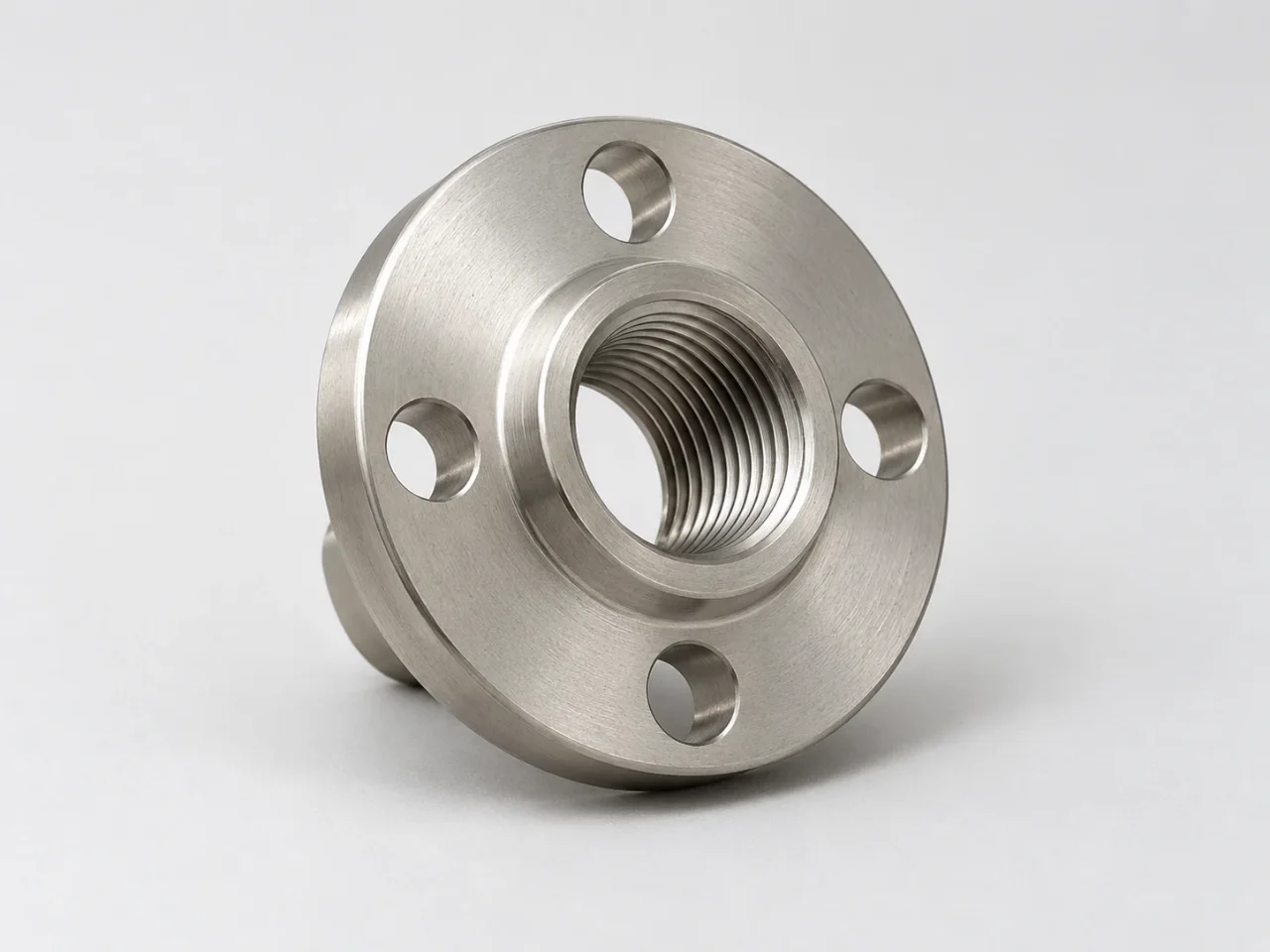
Threaded (TH)
Where welding is not practical.
Lap joint (LJ)
Used with a stub end; the flange is not wetted, so it can be carbon or stainless steel.
Stub ends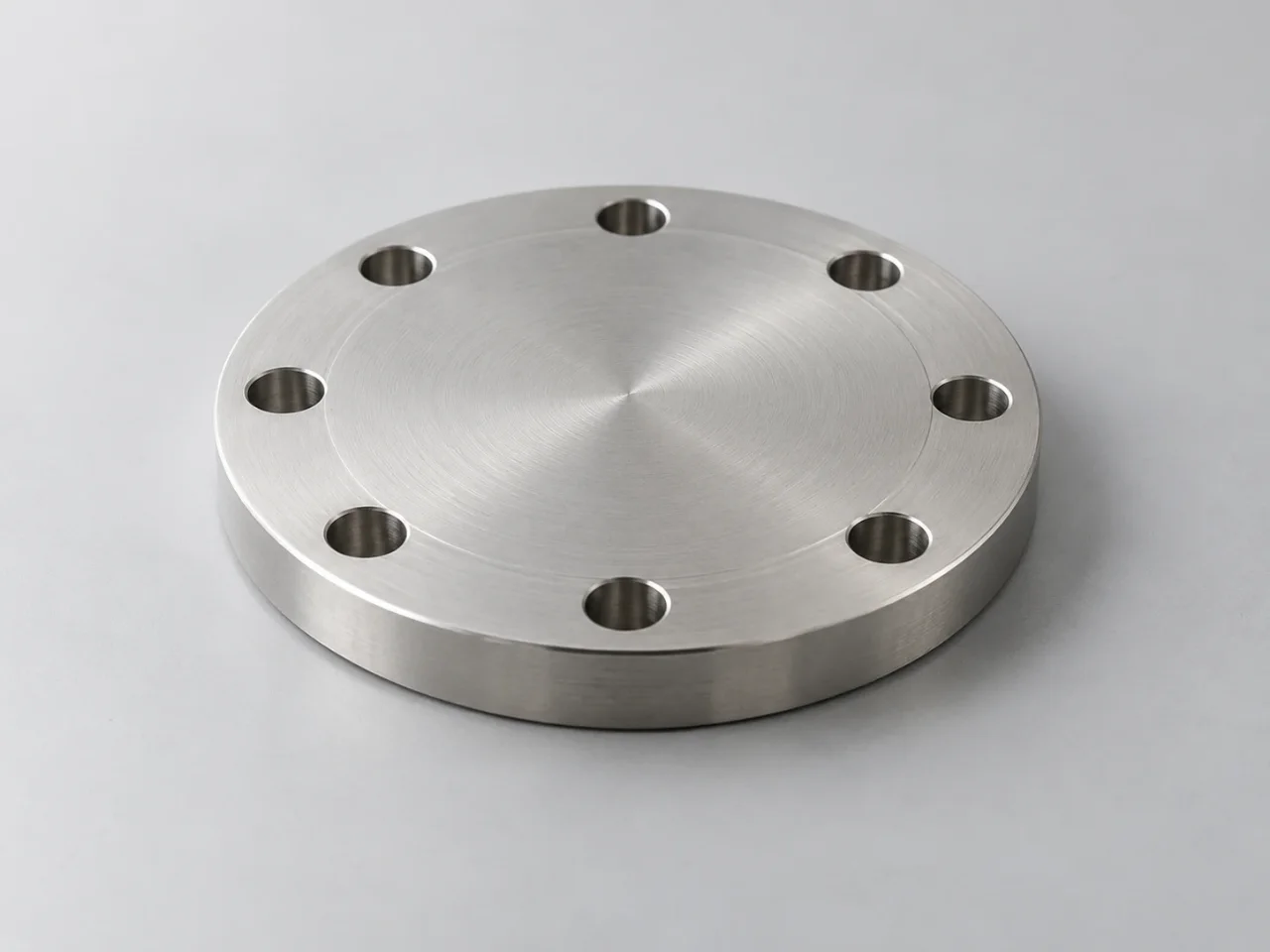
Blind (BL)
Closes pipe ends and vessel nozzles.
Facings: raised face (RF), flat face (FF) and ring-type joint (RTJ).
Flanges are machined from forgings or rolled rings; blind flanges may also be cut from plate.
Standards and size range
| Standard | Size range | Rating / wall |
|---|---|---|
| ASME B16.5 | NPS ½–24 | Class 150–1500; Class 2500: NPS ½–12 |
| ASME B16.47 | NPS 26–60 | Class 150–900 (Series A / B) |
| EN 1092-1 | DN 10–4000 | PN 2.5–400 |
| GB/T 9124, HG/T 20592 / 20615 | per standard | PN / Class |
| Drawing | Non-standard flanges, rings and tubesheets | |
Ranges are those covered by each standard; please confirm large sizes, high ratings and non-standard sizes on enquiry.
Manufacturing and inspection
- Seamless fittings are hot- or cold-formed from seamless pipe; welded fittings are formed from plate and welded. All are solution-annealed or annealed to the material specification after forming.
- Every lot is checked for dimensions and surface condition, with PMI to confirm the alloy.
- Welded fittings are radiographed or ultrasonically tested as ordered; intergranular or pitting corrosion tests are carried out when specified.
- Marking to MSS SP-25; thin-wall fittings are etched or stencilled, not die-stamped.
- EN 10204 3.1 certificates with every delivery; 3.2 with third-party witnessing on request.
Need a quote?
Send your specification, drawing or material list as it is; a grade and size are enough to start, and we confirm the rest in our reply. · info@kochlin.com